
Living
Nature Living in the Himalayan Foothills: What Changes
Air, light, sound, sleep and routine — the measurable ways a foothill address near forest and river changes daily life.
Ganga Vana Villas Editorial ·
People describe the shift to a foothill home in vague terms. The changes are actually quite specific.
Sound The dominant sound stops being engines. Along the Chilla belt it becomes birds in the morning, insects at dusk, and the river in the background. Ambient noise is one of the few environmental factors with a direct, documented relationship to sleep quality.
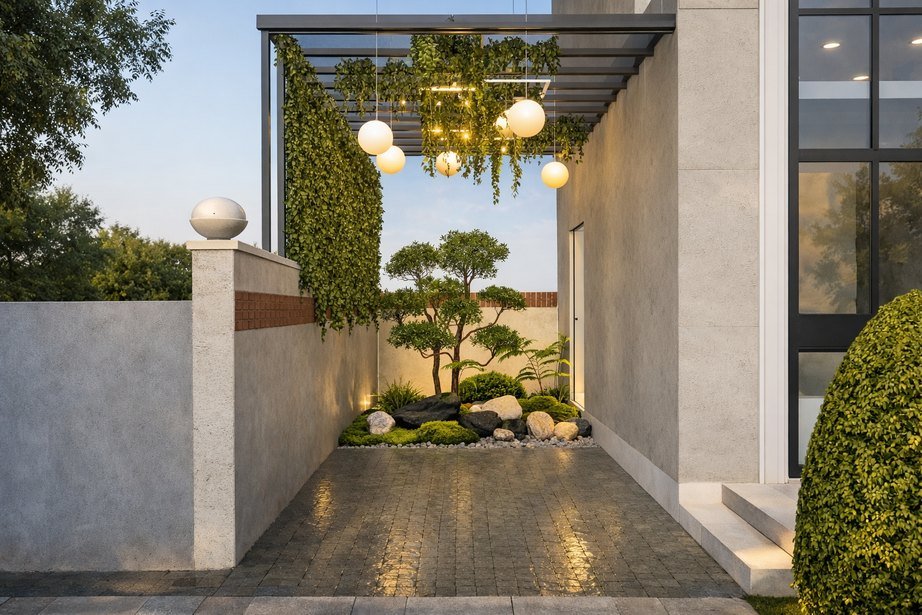
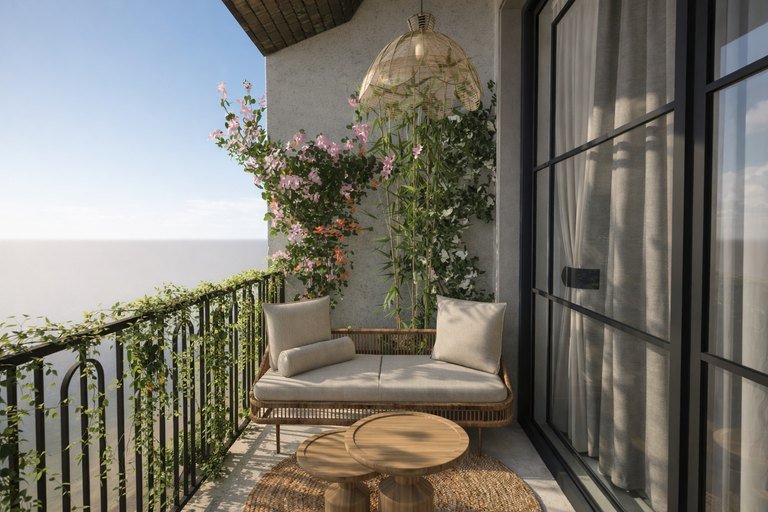
Light Open sky and low building density mean daylight reaches deeper into the day. Homes designed around it — large ground-floor openings onto a private green, balconies off every upper bedroom, an open terrace above — extend that further.
Air Forest cover and elevation, away from the industrial plains. The difference is most obvious in winter, when plains air quality collapses and the foothills largely do not.
Routine The practical effect is that outdoor time stops requiring a plan. A walk on the community tracks, an hour on the terrace, a swim, a drive to the river — all of it becomes incidental rather than scheduled.
Structure still matters Nature living does not mean roughing it. Reliable power, concealed ISI-certified wiring, Wi-Fi provision, 24/7 security, CCTV and a maintained community are what allow the setting to be enjoyed rather than managed.
That balance — an untouched landscape and a fully resolved home — is the whole brief at Ganga Vana Villas.
- nature living
- wellbeing
- foothills
Related
Keep reading

Wellness Living: What It Actually Means Near the Ganga
ReadCome and see the site
Walk the plots, see the river edge and the forest line, and understand why Chilla is different. Our team will arrange the visit.